
7 Explosive Red Flags That TinokTrade Is a High Risk Crypto Scam in 2025
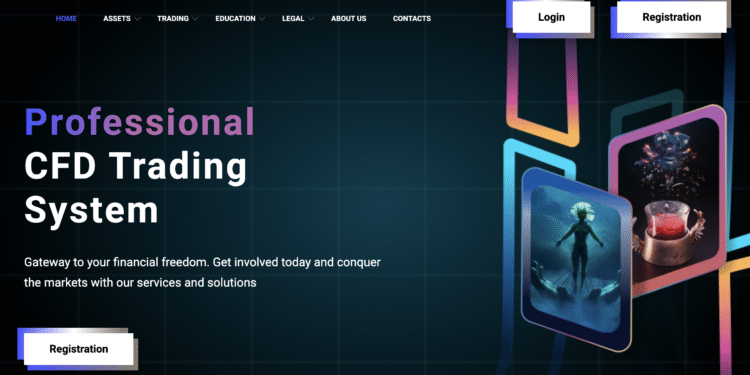
TinokTrade presents itself with slick marketing, promises of fast returns, and an interface designed to feel professional. On the surface it looks like another modern trading service. A careful review of public signals, regulator notices, user accounts, and domain data uncovers a clear and dangerous pattern. These seven explosive red flags show why TinokTrade should be treated as highly suspect and why anyone who deposited funds must act immediately to preserve evidence and engage professional help for crypto recovery.
The first red flag is an explicit regulator warning. A major financial supervisor issued a consumer alert calling out the website for offering financial services without the required authorization. When a national regulator warns consumers, it is not a minor notice. It is a definitive signal that the service is operating outside legal oversight and that depositors face material legal and practical obstacles to restitution. Regulator intervention of this kind is routinely followed by enforcement activity and coordinated cross border inquiries.
The second red flag is consistently extremely low trust scores from independent safety checkers. Automated risk tools rate the site as untrustworthy based on factors such as hidden ownership, minimal traffic, and suspicious hosting signals. Those automated red flags are not the final word but they reliably correlate with thousands of past fraud cases. A very low trust score should be treated as an urgent red light, not a mere suggestion.
The third red flag is widespread user complaints reporting deposit success followed by withdrawal obstruction. Multiple review channels document the same narrative: deposits are processed quickly, account balances show inflated values, and then withdrawal requests are delayed, denied, or conditioned on new and ever increasing “verification” or “release” fees. That deposit in, withdrawal blocked pattern is the single most common operational playbook behind modern online investment frauds.
FIND AND RECLAIM YOUR LOST CRYPTO NOW
The fourth red flag is ownership and registration opacity. The domain is recent and uses privacy services to hide registrant details. No clear corporate filings, verifiable office addresses, or named executives are published. When ownership is masked, victims lose the obvious routes for legal process or subpoenas. Hidden ownership is a practical tactic used to frustrate recovery efforts and force victims to rely on forensic tracing rather than straightforward legal claims.
The fifth red flag is the platform’s heavy emphasis on irreversible payment rails. TinokTrade pushes cryptocurrency deposits and quick funding options. While crypto is a legitimate payment method, bad actors prefer irreversible rails because once funds move on chain they are much harder to reverse. This payment profile greatly increases the technical difficulty for any subsequent crypto asset recovery and elevates the importance of immediate blockchain tracing.
The sixth red flag is the absence of verifiable custody or audit statements. The site boasts secure custody and institutional grade systems but publishes no independent audits, proof of reserves, or third party attestations. Legitimate trading venues provide verifiable audit statements and custody confirmations. When those documents are missing, claims of secure custody are unsubstantiated marketing and a direct signal that customer funds may be co mingled or misappropriated.
The seventh red flag is repeated content and template reuse visible across multiple suspicious broker domains. The site architecture, promotional copy, and scripted sales messaging are strikingly similar to other flagged sites. This template reuse indicates the presence of a multi domain operator network that can quickly rotate brands when one domain becomes compromised. Operators that run networks are notoriously difficult to pin down, and victims often must join forces to reveal the full scope of the scheme.
Taken together these seven red flags produce a high probability that TinokTrade is a deceptive operation. None of these signs alone is definitive, but the convergence of regulator warnings, low trust metrics, withdrawal friction, masked ownership, crypto payment pressure, lack of audits, and template cloning forms the classic footprint of an online investment scam. Anyone with funds tied to this platform should stop adding money and begin immediate preservation and recovery measures.
Conclusion: Immediate Recovery Steps and How to Protect Yourself
If you have deposited funds with TinokTrade the next actions you take are the most important determinants of any chance to recover assets. Acting quickly, documenting thoroughly, and engaging the right professionals can materially improve chances of mitigation. Below is a prioritized and practical recovery blueprint used in real crypto scam investigation work.
First, preserve all evidence without delay. Take full screenshots of every page you accessed including registration confirmations, account dashboard showing balances, deposit receipts, payment confirmations, and any messages from support or account managers. Export and save chat logs and email threads in their original format. For any cryptocurrency transfers copy wallet addresses, transaction hashes, timestamps, and blockchain explorer snapshots that show the exact transfers. Store copies of these records offline and in multiple secure locations. This preserved evidence is the currency of effective crypto recovery.
Second, stop all further deposits immediately. Operators will attempt to extract more money by inventing fees, taxes, or “verification” costs. Paying these only increases exposure and rarely, if ever, improves the prospect of release. Protect your remaining capital and resist emotional pressure from account managers who promise immediate refunds in exchange for more funding.
Third, attempt a documented small withdrawal test only if the account still allows it. Submit a modest withdrawal and record every response. Note timestamps, confirmation messages, new document requests, and any fee demands. Even failed withdrawal attempts create official records of obstruction that strengthen regulatory complaints and recovery claims.
Fourth, engage a qualified blockchain recovery specialist and forensic investigator as soon as possible. These professionals trace fund flows across wallet clusters identify intermediary addresses detect mixing activity and map conversions on centralized exchanges. Forensic tracing is time sensitive. The sooner analysts begin, the higher the chance they can locate funds before they are fully anonymized. Provide the forensic team with the complete set of transaction hashes and evidence you preserved.
Fifth, file official complaints with your local financial regulator consumer protection agency and cybercrime unit. Submit a clear timeline attach your evidence and include the exact transaction hashes and wallet addresses. Where a foreign regulator has already issued a warning, cite that fact in your complaint. Multiple coordinated complaints from different victims significantly increase the probability of enforcement attention and international cooperation.
Sixth, notify relevant cryptocurrency exchanges and payment processors that may have handled the funds. If forensic tracing identifies an exchange as an intermediary, send that exchange the trace report and a formal request to freeze or review the implicated account. Many exchanges respond to law enforcement or validated forensic reports by pausing suspicious accounts which can preserve assets for possible recovery.
Seventh, coordinate confidentially with other victims and vetted recovery communities. Share non sensitive operational data such as wallet clusters payment processor names sales scripts and domain registration anomalies. Collective intelligence often exposes operator networks and shared infrastructure, allowing forensic teams to connect the dots across multiple brands. Avoid public posting of personal identity documents; use secure private channels only.
Eighth, be extremely wary of purported recovery services demanding large upfront fees or guaranteeing full restitution. Many secondary scams exploit victims at this stage. Vet recovery providers rigorously ask for verifiable case histories demand transparent methodologies and prefer contingency or success based fee structures. Legitimate investigators will not promise guaranteed full recovery and will explain limitations frankly.
Ninth, consult legal counsel experienced in international financial fraud. A lawyer can issue preservation requests coordinate mutual legal assistance, communicate formally with exchanges and hosting providers, and organize collective civil claims if multiple victims join. Legal pressure often prompts intermediaries to disclose records that are otherwise withheld.
Finally, improve your future defenses through diligent verification practices. Always confirm licensing on official regulator registries verify ownership records demand proof of custody and request independent audit reports before moving significant funds. Test deposit and withdrawal flows with minimal amounts and treat any platform that emphasizes fast profits or uses hidden ownership as high risk.
TinokTrade’s combination of regulator warning low trust rating withdrawal friction masked ownership crypto preference lack of audit and content cloning requires urgent response. The path to recovery is challenging but not impossible when victims act quickly, preserve evidence, employ forensic tracing, lodge regulatory complaints, seek legal assistance, and coordinate intelligently with other affected parties. Remember that recovery is a process not a guarantee. Taking the right steps now preserves your options and increases the chance of meaningful remediation.
Equally important is maintaining organized communication logs. Every email, chat message, and voice transcript showing what TinokTrade representatives promised, what they demanded, and how they phrased their threats or encouragement can be used to establish intent and deception. Language patterns such as false guarantees, fake authority titles, or claims of government affiliation are powerful evidence of fraudulent misrepresentation. These communications often reveal internal structure, regional accents, or reused script patterns that forensic linguists and investigators can exploit to trace operator identities. Every piece of communication therefore becomes not just proof of fraud but a clue toward identifying the underlying human network.